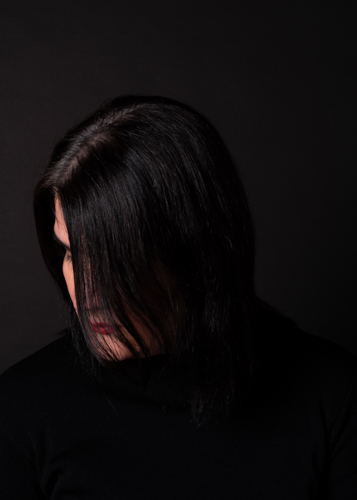
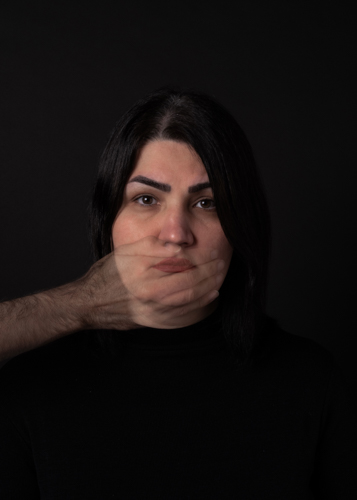
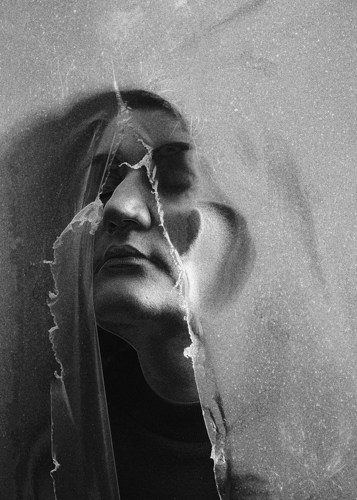
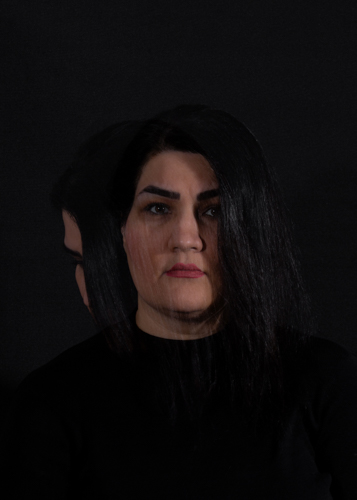
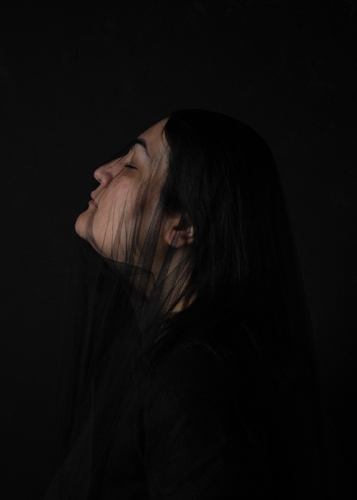
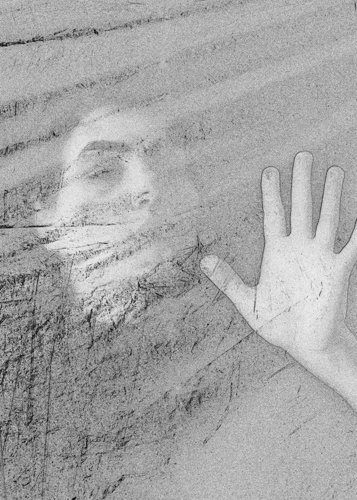
It began in a conversation that should have been simple. I knew what I wanted to say, but the words in my mouth were slow, clumsy, and strangely heavy. The language was not my own. Each sentence emerged twisted, stripped of the subtleties and rhythm I knew so well. When the moment passed, I felt as if part of me had been left behind — unheard, unexpressed, invisible.
That was when I realised that language is not only a tool for communication; it is the mirror in which we see ourselves. And when that mirror changes, so do we.
I speak, but the sound is not mine. The words fall heavy, clumsy in the mouth, as if they belong to someone else.
Between what I mean and what I can say, there is a gap — a place where silence grows.
In that silence, my edges blur.
I am here, and yet not entirely.
Perhaps identity is not lost in a single moment, but thinned, softened, each time we must translate ourselves into another tongue.